Social Media Ban for Under 16’s
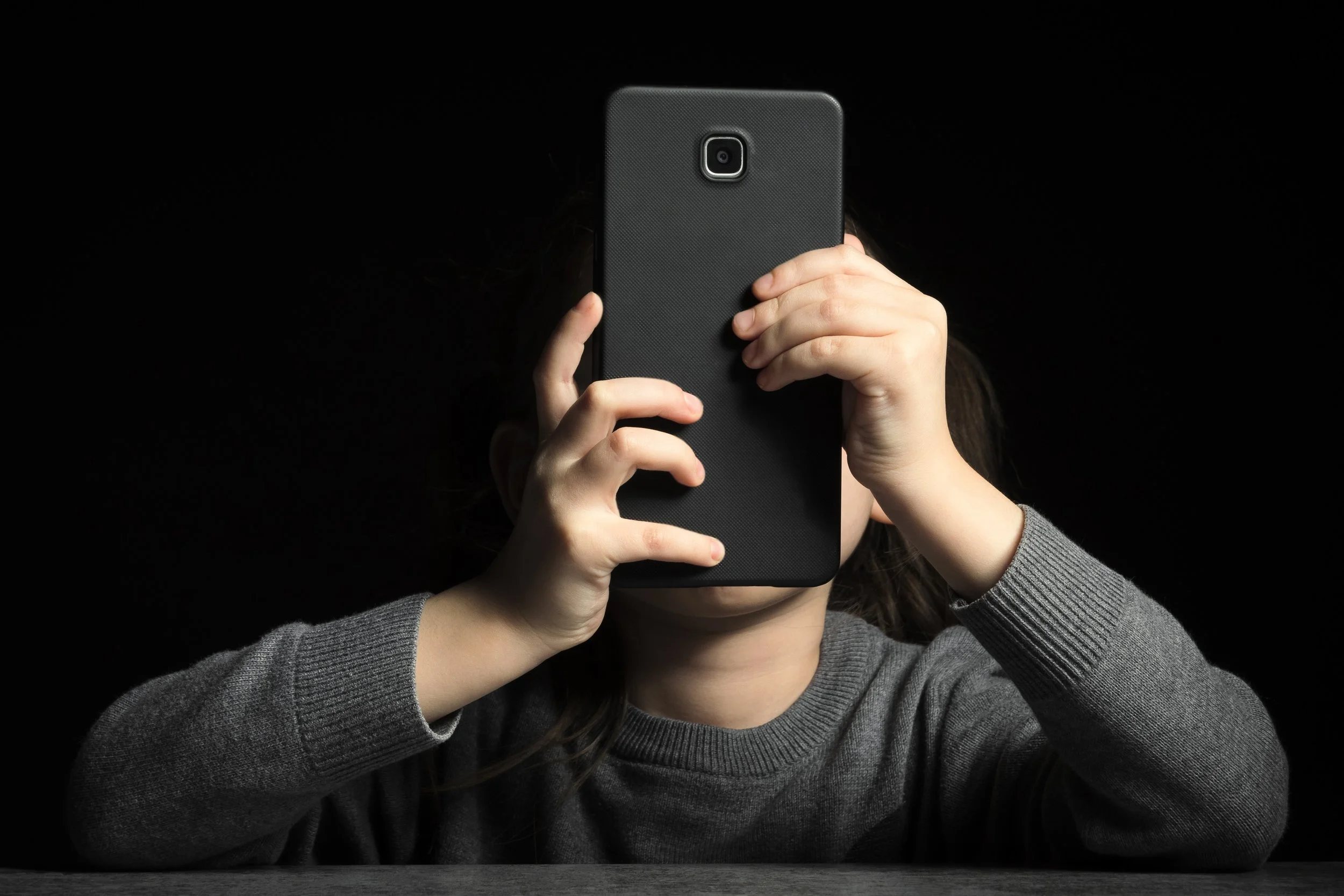
A Landmark announcement by the Prime Minister this week set out plans for a ban on social media use by under-16’s. Pressure from all quarters has been mounting for some time with a broad consensus that action is necessary. It’s self-evidently a good thing to ban children from having sexualised conversations with chatbots or to engage in messaging with strangers. A total ban may be an over-simplified response to a very nuanced problem though.
Evidence from Australia suggests that 60% of under16’s have found ways to circumnavigate their country’s ban. Use of VPN’s has escalated as has use of less well-regulated platforms. Two fifths (42%) who used restricted platforms prior to the ban coming into force reported it had not had any impact on their lives. A third (32%) said it had a negative impact with less (22%) saying the impact had been positive.
Under the terms of the UK ban, Snapchat, TikTok, YouTube, Instagram, X and Facebook will all be blocked. It will also ban under-16 access for “user-to-user platforms” that enable social interaction between users and allow them to post material.
Any attempt to regulate social media use among the young should recognise that there are some benefits to its use. It can provide positive community and connection with others who share identities, abilities, and interests. It can also provide access to important information and create a space for self-expression. Some research suggests that social media-based and other digitally-based mental health interventions may also be helpful for some children and adolescents by promoting help-seeking behaviours and serving as a gateway to initiating mental health care.
In truth, a blanket ban treats the symptom and not the problem. Rather than withdrawing access from children, shouldn’t we be making things safer? What we really need to do is to force the hand of Big Tech so that they fix and redesign social media. The introduction of age verification for young people also brings attendant problems for privacy. Do we really want these companies to have images of our children?
In Canada, the solution is seen as a temporary ban as a lever to give social media companies the opportunity to make products safe for children and get rid of risky functionality such as infinite scroll, autoplay and stranger messaging. The law there includes sweeping measures to regulate AI chatbots and curtail "harmful content" online. They also plan to create a regulator to ensure tech firms comply.
Our children are digital natives. In exercising our responsibility to provide them with a safe environment to grow up in we need to get tough with the tech industry so that they play their part in developing platforms that protect from harm while allowing children to enjoy the benefits of life online.